Recently, research teams from the State Key Laboratory of Enhanced Oil Recovery, Fujian Agriculture and Forestry University, and Xiamen University published a paper in Nature Communications titled "Antigravity confined interfacial self-assembly approach for the synthesis and characterization of nanofilms". The study proposes a revolutionary antigravity confined interfacial self-assembly strategy, successfully realizing the synthesis and in-situ characterization of large-area, highly ordered, free-standing nanofilms.
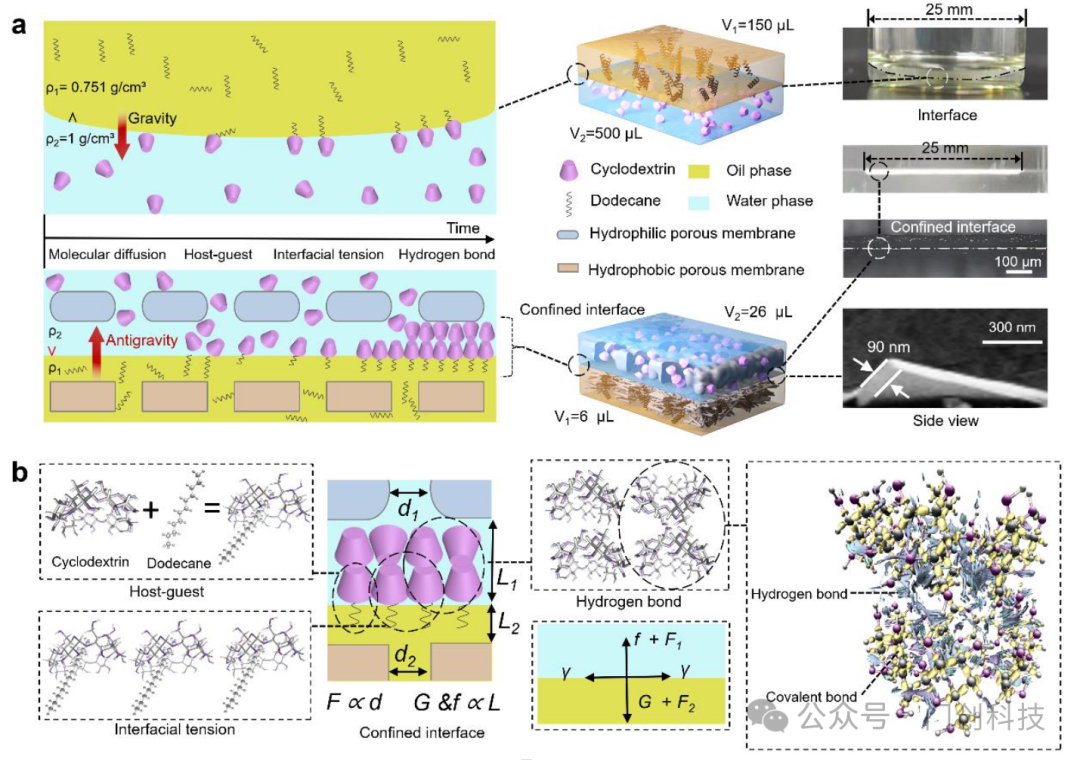
Traditional liquid-liquid interfacial self-assembly is constrained by gravity-induced density stratification, which severely limits material selection and structural design. The team built a confined space with hydrophilic nylon membranes and hydrophobic PTFE membranes, using capillary force to counteract macroscopic gravity and create a stable antigravity interfacial environment.
For film characterization, the team designed an in-situ pressure testing method based on liquid gating principles. The membrane system containing the film is pressurized slowly until gas just penetrates the interface. The critical transmembrane pressure obtained at that point becomes the core parameter for evaluating film mechanical strength.
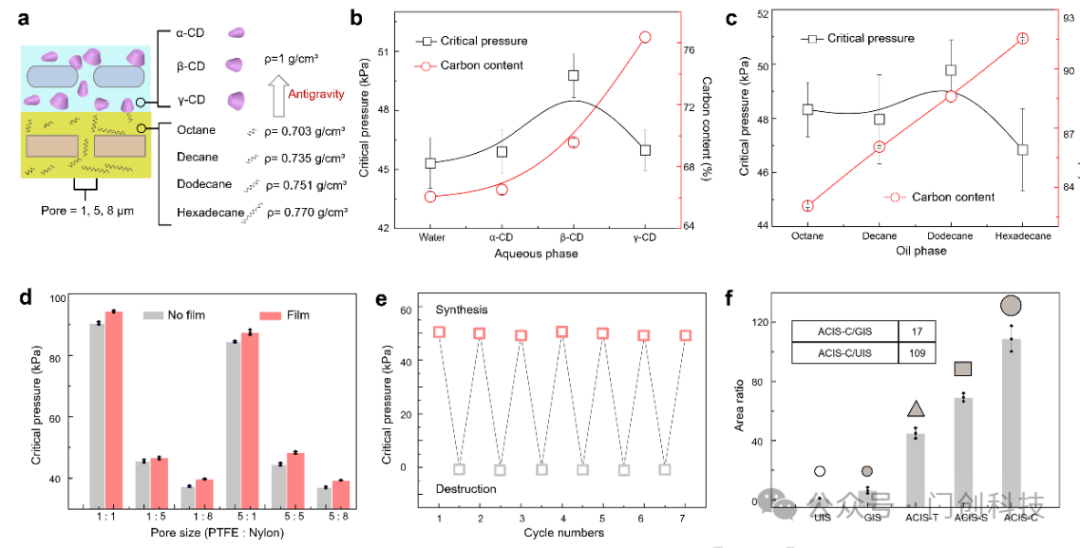
This characterization approach is highly consistent with the core working principle of GIFT-E1 Pro liquid gating intelligent testing analyzer: using critical transmembrane pressure as a probe and following in-situ, nondestructive principles to dynamically quantify material interface properties with high precision.
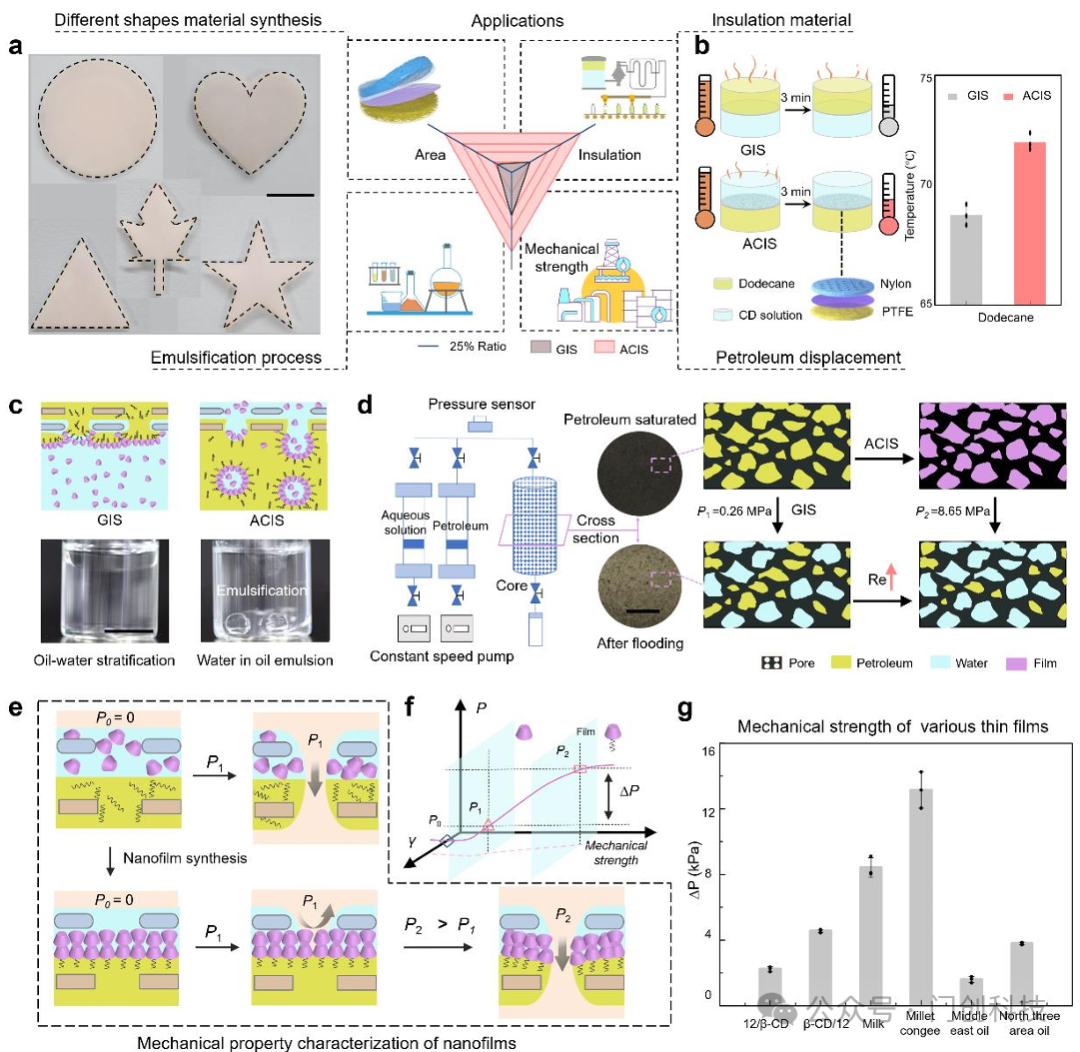
This achievement further demonstrates the scientific value of liquid gating technology as an interface characterization platform. GIFT is committed to transforming frontier scientific methods into stable, easy-to-use standardized instruments, helping researchers efficiently explore the interfacial performance of micro- and nanomaterials.